Water-Saving Landscaping Ideas: Drought-Tolerant Landscaping Ideas for Your Yard
- enovationlandscapi
- 7 days ago
- 3 min read
If you want a beautiful yard that saves water and stays green, you’re in the right place! Water-saving landscaping ideas are not just smart—they’re essential, especially in places where water is scarce. I’ve gathered some easy, practical tips to help you create a yard that looks great and uses less water. Let’s dive in!
Why Choose Water-Saving Landscaping Ideas?
Water is precious. Using less of it in your yard means saving money and helping the environment. Plus, a yard designed with water-saving in mind needs less work. No more daily watering or worrying about brown patches.
Here’s why water-saving landscaping ideas rock:
Lower water bills: Use less water, pay less.
Less maintenance: Plants that thrive on little water need less care.
Eco-friendly: Help conserve local water supplies.
Beautiful all year: Drought-tolerant plants stay healthy even in dry spells.
By choosing the right plants and design, you can have a yard that’s both stunning and sustainable.
Smart Plant Choices for Your Yard
Picking the right plants is key. Look for native plants or those known for their drought resistance. These plants have adapted to survive with minimal water.
Here are some favorites:
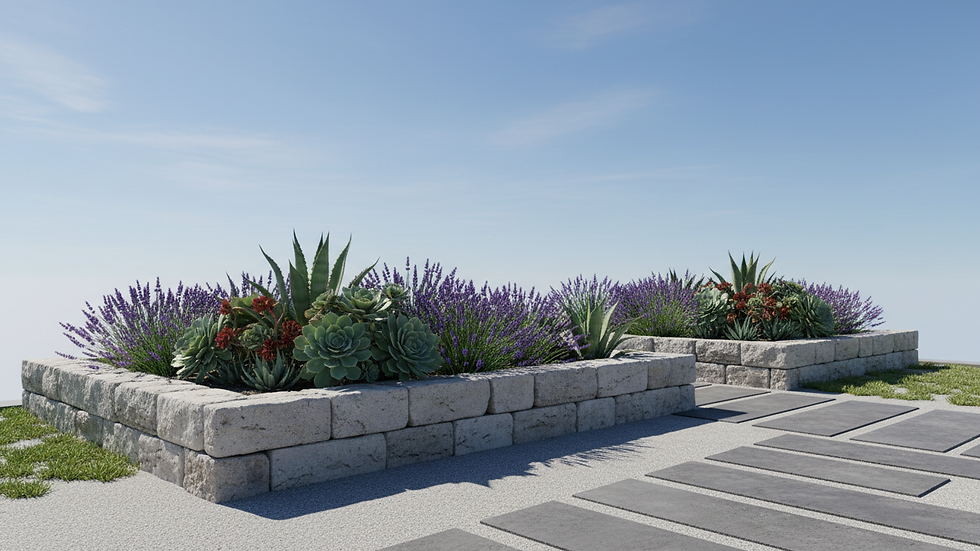
Succulents: Like agave and aloe, they store water in their leaves.
Lavender: Smells great and loves dry soil.
California poppy: Bright orange flowers that need little water.
Sage: Hardy and fragrant.
Yarrow: Tough and colorful.
Mix these with some drought-tolerant grasses like blue grama or buffalo grass for texture and color.
What is the Rule of 3 in Landscaping?
The rule of 3 is a simple design trick that makes your yard look balanced and natural. It means grouping plants or features in threes. Odd numbers like 3, 5, or 7 create a more appealing look than even numbers.
Why does it work?
It mimics nature’s patterns.
It creates rhythm and flow.
It helps avoid clutter or emptiness.
Try planting three of the same drought-tolerant plants together or placing three rocks in a triangle shape. This small change can make a big difference in your yard’s style.
Designing with Mulch and Hardscapes
Mulch is your best friend in a water-saving yard. It keeps soil moist and cool, reducing evaporation. Organic mulches like bark or wood chips also improve soil health as they break down.
Hardscapes are non-plant elements like rocks, gravel, or pavers. They add structure and reduce the area that needs watering.
Here’s how to use them:
Cover bare soil with mulch to lock in moisture.
Create pathways with gravel or flagstones.
Use decorative rocks to add interest and reduce plant area.
Build raised beds to control soil and water better.
These elements help your yard look polished and save water at the same time.

Efficient Irrigation Tips
Even drought-tolerant plants need some water, especially when they’re young. Using water wisely is key.
Try these tips:
Drip irrigation: Delivers water directly to roots, reducing waste.
Water early or late: Avoid watering during the heat of the day to reduce evaporation.
Use rain sensors: They stop irrigation when it rains.
Group plants by water needs: This way, you don’t overwater some while underwatering others.
These small changes can save gallons of water every week.
Bringing It All Together
If you want to transform your yard, start with a plan. Think about your space, sunlight, and soil. Choose plants that fit your climate and style. Use mulch and hardscapes to reduce watering needs. And water smartly.
For more inspiration, check out these drought tolerant landscaping ideas that can help you create a yard that’s both beautiful and water-wise.
With these tips, your yard will be a green oasis that saves water and looks amazing all year long. Ready to get started? Your perfect, low-water yard is just a few steps away!


Comments